
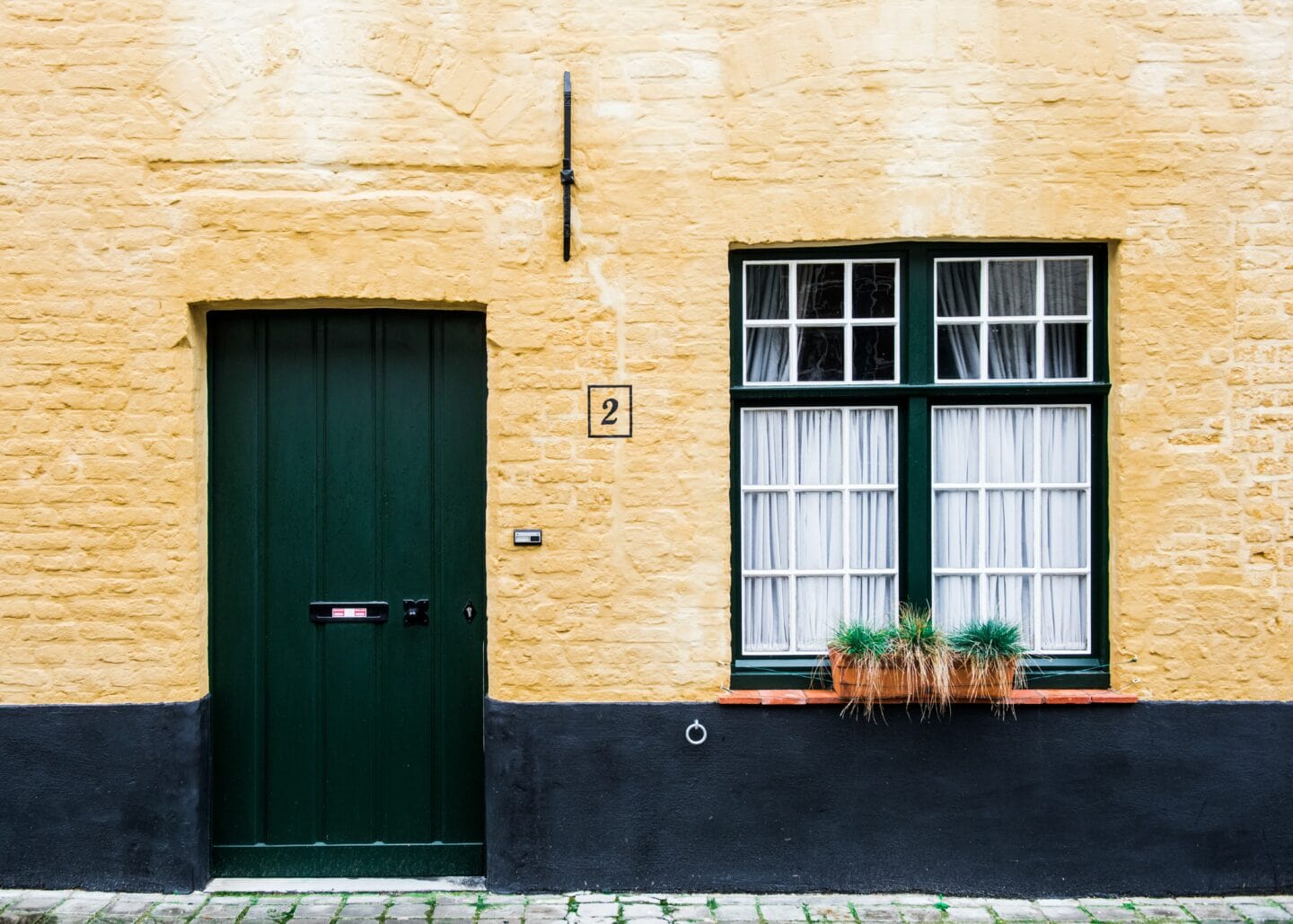
It can be daunting to breathe new life into an older house. It’s rarely cheap, the scale of the work needed can be intimidating, and you’re likely to need specialist help for some of it. But if you take things one step at a time, plan properly, and operate on a ‘safety first’ basis, renovating an older home can be highly fulfilling. To get off to a good start, get the scary bit out of the way first, and check specific elements of the house that may need testing, upgrading, or replacing. Here’s what to look for
Inspect The Wiring
For safety and ongoing renovation purposes, it’s a good idea to check the electrics first. Over time, wiring can degrade, which poses a safety risk. This is especially prevalent in older homes, which, in addition to degraded wiring, may also have outdated electrical systems unable to handle modern power demands. Trained electricians can identify potential issues and provide guidance on necessary upgrades or replacements. Ideally, you should hire an electrician with experience in properties similar to yours. For example, Birmingham electricians will be familiar with the industrial architecture of old Birmingham homes, York electricians will know what to expect from Tudor-framed buildings, and so on.
Replacing Old Plumbing
Older homes often come with antiquated plumbing systems. Pipes made of iron or lead can corrode over time, leading to plumbing issues and potential health hazards. Replacing these with modern materials such as PVC or copper can significantly reduce maintenance issues, providing you with a more reliable and safer system. Again, it’s crucial to get in touch with a reputable plumbing company familiar with the types of plumbing issues a property like yours may face.
Upgrading Insulation
Many older houses have insufficient insulation. This lack of protection from the elements can make the house uncomfortably cold in winter and hot in summer. It also results in higher energy bills. Therefore, upgrading the insulation is one of the best investments you can make in a renovation process. Better insulation won’t just make you more comfortable – it will also add significant value to your home.
Improving Heating & Cooling Systems
Households in the UK spend a significant portion of their budget on heating. Older houses often lack energy-efficient heating systems, leading to higher energy consumption and higher bills. Upgrading an old boiler to a new, energy-efficient model can significantly reduce long-term costs. Central heating systems should also be inspected and, if necessary, improved.
Investing in Energy-Efficient Windows
Windows are one of the most important aspects of a home’s insulation. Single-pane windows, common in older homes, are poor insulators. Replacing these with double or even triple-glazed windows is another wise investment. These will keep the house warm in winter, cool in summer, and help lessen noise from outside.
Structural Care and Repair
Older homes often develop structural issues over time. Floor joists, roof framing, foundations, and even walls may have deteriorated and could pose safety risks. It’s wise to hire a structural engineer to inspect the house and suggest necessary repairs or reinforcements.
In Summary
Revamping an older home can be a rewarding project, yielding both personal satisfaction and a potentially higher resale value. However, these projects should never be undertaken lightly or without thorough planning. Make sure to review and address critical areas like electrical systems, insulation, heating, plumbing, windows, and structural elements.