



For years, creatine has had a bit of an image problem and an unjust bad rep. Many people today even still think it’s something that’s only used by bodybuilders or professional athletes looking to build huge muscles. I’ll be real with you – I used to think exactly the same. But the more I’ve learned about nutrition and strength training, the more I’ve realised that couldn’t be further from the truth especially when it comes to Creatine for women.
In fact, creatine is one of the most researched supplements in the world, and the evidence suggests it can benefit women just as much as men. So, whether your goal is losing weight, building strength, preserving muscle while eating in a calorie deficit, improving your gym performance or simply staying healthier as you get older, creatine is well worth understanding.
In this blog post, I’ll explain exactly what creatine is, how it works, the benefits for women, whether it causes weight gain, possible side effects and whether it’s something you should consider taking.
Jump To
Benefits of Creatine for Women
Does Creatine Help with Weight Loss?
Does Creatine Cause Weight Gain?
How Much Creatine Should Women Take?
What’s the Best Type of Creatine?
As always, before undertaking any kind of weight loss or lifestyle change, it is always best to speak to a medical professional or registered dietician who is best suited to give personalised advice on your individual health needs and health issues. This blog post has been researched to the best of my ability, and the information posted is accurate at the time of publication. Soph-obsessed is not affiliated in any way with any weight loss plan.

What Is Creatine?
I’ll be honest in admitting I had no idea what Creatine was before I wrote it off initially. Creatine is actually a natural substance that’s found in your muscles and brain. Your body actually makes creatine on its own using three amino acids: glycine, arginine and methionine. You also get small amounts from foods such as red meat and fish.
Around 95% of the creatine in your body is stored in your muscles, where it’s used to help produce energy during short bursts of high-intensity activity. Think weight training, sprinting, jumping or any exercise where your muscles need a quick access to power. Although your body makes creatine naturally, the amount it produces isn’t always enough to fully saturate your muscle stores. That’s where creatine supplements come in.
Taking creatine increases the amount stored in your muscles, giving your body a larger reserve of energy to draw on during exercise. Over time, this can help you train harder, recover better and make greater strength and muscle gains overall.
One of the biggest misconceptions and worries is that creatine is a steroid. It isn’t. Creatine is simply a naturally occurring compound that your body already produces every day. It isn’t a hormone, it’s completely legal, and it’s one of the most extensively studied sports nutrition supplements available today.
If you follow a vegetarian or vegan diet, you may have lower creatine stores naturally because plant foods contain very little creatine. This means some people who don’t eat meat may notice an even greater benefit from supplementation to their diet.

How Does Creatine Work?
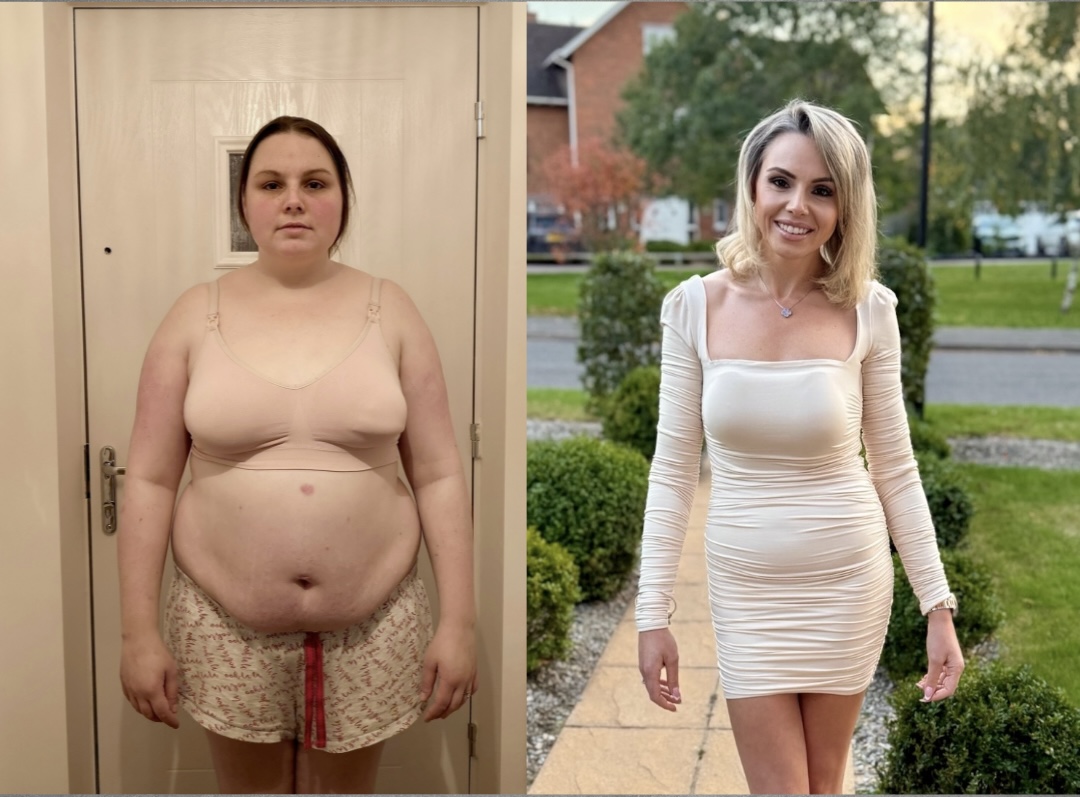
Read about my 7 stone weight loss journey here
It might sound obvious, but every movement you make requires energy. Your body uses a molecule called ATP (adenosine triphosphate) as its main source of energy, but there’s one small problem – your muscles only store enough ATP to fuel a few seconds of intense activity!
When those stores start to run low, your performance will begin to drop. That’s where creatine comes in. Creatine is stored in your muscles as phosphocreatine. During high-intensity exercise, phosphocreatine helps your body quickly regenerate ATP, allowing your muscles to keep working at a higher intensity for longer.
In simple terms, creatine helps your muscles recharge their energy more quickly. Now, lets put this into perspective – this doesn’t mean you’ll suddenly become stronger overnight or be able to lift twice as much weight. Instead, the effects are usually more gradual.
For example, you might notice that you can:
- Complete one or two extra repetitions during a set.
- Lift slightly heavier weights over time.
- Recover more quickly between sets.
- Maintain your strength during tough workouts.
- Feel less fatigued during high-intensity exercise.
Those small improvements might not sound like much individually, but they add up. Over weeks and months of consistent training, being able to do a little bit more each session can lead to greater improvements in strength, muscle mass and overall fitness. All by utilising something that already exists in our bodies!
It’s also worth knowing that creatine isn’t just being studied for exercise performance. Researchers are investigating its potential role in healthy ageing, brain function and muscle preservation, particularly in older adults and postmenopausal women. While some of these areas look promising, more research is still needed before firm conclusions can be made. But I think you will agree it’s promising.

Is Creatine Good for Women?
The short and to the point answer is, yes. Despite being one of the most popular sports supplements available, many women still avoid creatine because they’re worried it will make them bulky, cause weight gain or simply isn’t designed for them.
The good news is that none of those concerns are supported by the current evidence. Studies have shown that Creatine works in exactly the same way in women as it does in men. It helps replenish your muscles’ energy stores, allowing you to train harder and recover more effectively. It doesn’t contain hormones, it won’t alter your testosterone levels, and it doesn’t magically build large muscles.
Building significant muscle mass takes years of progressive strength training, sufficient calories and, in many cases, favourable genetics. Taking creatine alone won’t transform your physique. I know that lots of women have this fear, and it’s valid. Women often want to be stronger without changing their feminine shape, and that’s justified. Just for reassurance, that kind of bulking and toning takes years of heavy weight work, so really not a realistic concern.
In fact, many women choose to take creatine for reasons that have nothing to do with building muscle at all. Depending on your goals, it may help you:
- Improve strength during resistance training.
- Preserve lean muscle while losing weight.
- Support recovery between workouts.
- Improve performance during short, high-intensity exercise.
- Support healthy ageing by helping maintain muscle mass and strength.
If you’re eating in a calorie deficit, preserving muscle becomes especially important. When you lose weight, you ideally want to lose body fat while keeping as much lean muscle as possible. Resistance training, eating enough protein and, for some people, taking creatine can all play a role in supporting that goal.
It’s also worth remembering that creatine isn’t essential. You can absolutely get stronger, lose weight and improve your fitness without it. Think of it as something that may give you a small but worthwhile advantage alongside consistent training, good nutrition and adequate recovery rather than a shortcut or miracle supplement. I know for many people, they feel supplement overwhelm with the market constantly telling women in particular that they need to add in new things to their diet.

Benefits of Creatine for Women
One of the reasons creatine has remained so popular for decades is that its benefits are backed by a large body of research. While it’s not a miracle supplement, it can be a useful addition to a healthy lifestyle, particularly if you already exercise regularly.
Increased Strength
Creatine is best known for helping improve strength. By helping your muscles regenerate energy more quickly during high-intensity exercise, you may be able to perform a few extra repetitions or lift slightly heavier weights over time. Those small improvements can add up to meaningful strength gains when combined with consistent training.
Better Exercise Performance
Whether you enjoy strength training, CrossFit, HIIT or sprinting, creatine may help improve performance during short bursts of intense exercise. Honestly, though, it’s less likely to benefit endurance activities such as long-distance running or steady-state cardio, where your body relies on different energy systems.
Supports Muscle Maintenance During Weight Loss
When you’re losing weight, your goal isn’t just to see the number on the scales go down. Ideally, you want to lose body fat while keeping as much muscle as possible. Eating enough protein and following a strength training programme are the foundations of this. Creatine may offer additional support by helping you maintain training performance, which can contribute to preserving lean muscle during a calorie deficit.
May Improve Recovery
Some studies suggest creatine may help reduce muscle damage and support recovery after intense exercise, meaning you could feel ready for your next workout sooner. Recovery is influenced by many factors, including sleep, nutrition and training load, so creatine shouldn’t be viewed as a replacement for good recovery habits. Instead, it may be one piece of the puzzle.
May Support Healthy Ageing
As we get older, we naturally begin to lose muscle mass and strength, a process known as sarcopenia. Some research suggests that combining resistance training with creatine supplementation may help older adults maintain muscle strength and physical function. This could become increasingly important as women age, particularly after the menopause when muscle loss tends to accelerate.
Potential Brain Health Benefits
Although most people associate creatine with muscles, it’s also found in the brain. Researchers are exploring whether creatine could help support cognitive function, memory and mental performance in certain situations, such as sleep deprivation or ageing. While the early findings are encouraging, more high-quality research is needed before clear recommendations can be made.
It’s Convenient and Affordable
Unlike many supplements that come and go with the latest trends, creatine is relatively inexpensive and easy to take. A simple daily serving of creatine monohydrate is enough for most people, making it one of the more cost-effective supplements if you already have your nutrition and training routine in place.

Does Creatine Help with Weight Loss?
This is one of the most common questions women ask, and the answer isn’t quite as simple as yes or no. Creatine doesn’t directly burn body fat. Unlike fat burners or medications that affect appetite, creatine doesn’t increase your metabolism enough to cause weight loss, and it won’t make fat disappear on its own.
However, that doesn’t mean it can’t support your weight loss journey. If creatine helps you train harder, lift heavier or squeeze out an extra couple of repetitions, you may gradually build or maintain more lean muscle. Preserving muscle is incredibly important when you’re losing weight because it helps keep your body strong and supports your overall body composition.
For many women, the goal isn’t simply to weigh less. It’s to look and feel leaner, stronger and more toned. Creatine may help you achieve that by supporting your training performance while you’re in a calorie deficit.
Creatine Isn’t a Replacement for a Calorie Deficit
If your goal is fat loss, the most important factor will always be maintaining a calorie deficit. That means consistently consuming fewer calories than your body burns over time.
No supplement can replace the basics:
- Eating a balanced, nutritious diet.
- Prioritising protein.
- Strength training regularly.
- Staying active.
- Getting enough sleep.
Creatine works best when it’s used alongside these healthy habits rather than instead of them.
The Scales Might Go Up at First
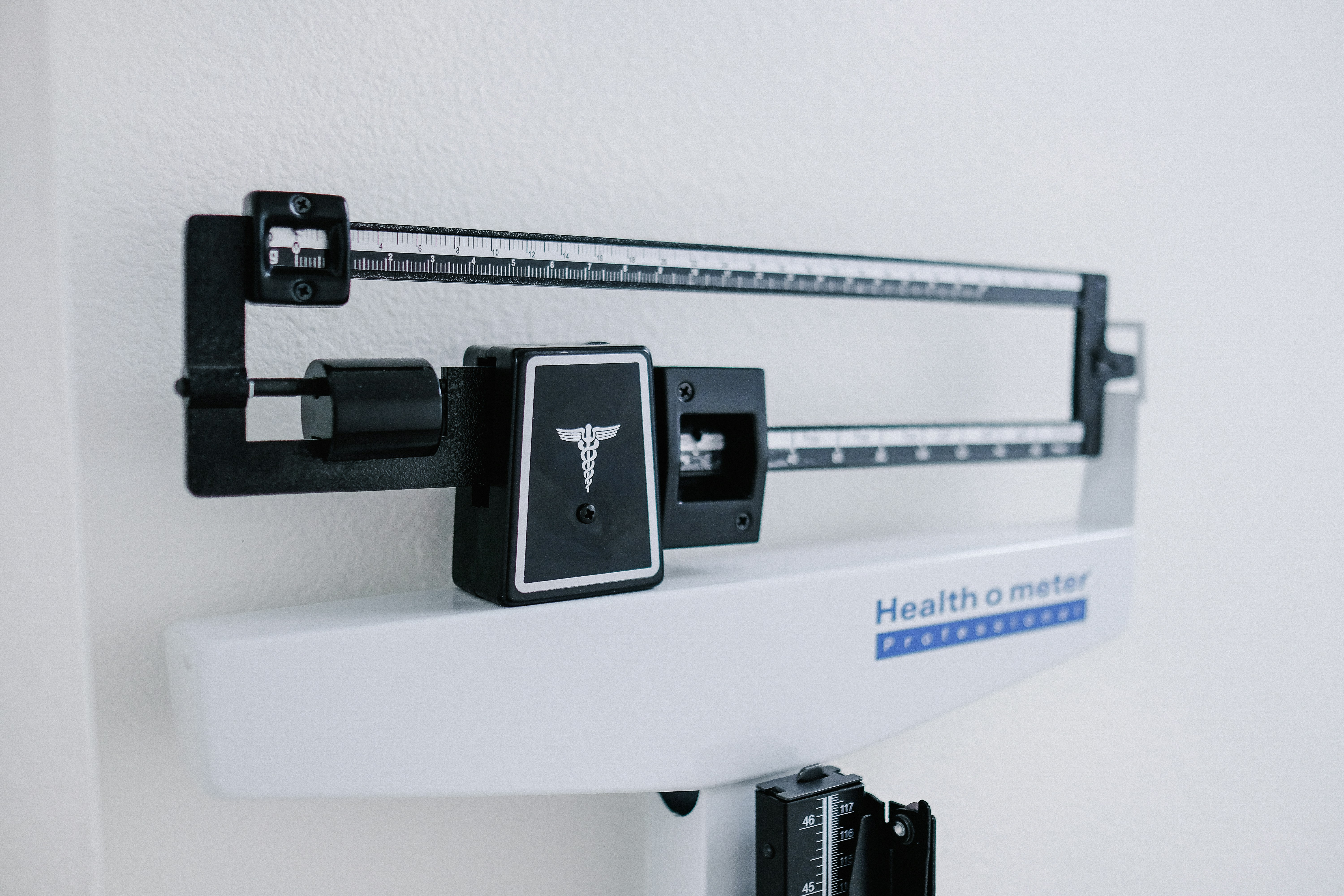
One thing that catches many women off guard is that the number on the scales may increase slightly after starting creatine. This isn’t body fat or a fat gain.
Creatine draws extra water into your muscle cells, which can increase your body weight by around 1 to 3 pounds (roughly 0.5 to 1.5 kg) during the first few weeks. This is known as intracellular water retention, meaning the water is stored inside your muscles rather than under your skin.
While it can be frustrating if you’re focused solely on the scales, this doesn’t mean you’ve gained fat or that your weight loss has stalled. In fact, many women find that although the scales move up slightly, they continue to lose body fat and notice improvements in their strength, body shape and how their clothes fit.
If you’re trying to lose weight, it’s worth looking beyond the number on the scales. Progress photos, body measurements, how your clothes fit and improvements in the gym can all give a much better picture of how your body is changing.

Creatine and Menopause
As women get older, maintaining muscle becomes even more important. During the menopause transition, falling oestrogen levels can contribute to a gradual loss of muscle mass and strength. Many women also notice changes in their energy levels, recovery, bone health and overall body composition.
This is one of the reasons resistance training is so strongly recommended during and after menopause, and creatine may be a helpful addition alongside it. Research suggests that when combined with regular strength training, creatine may help support muscle strength and physical function in postmenopausal women. Some studies have also explored whether it could benefit bone health, although the evidence here is mixed and more research is needed before any firm conclusions can be drawn.
It’s important to remember that creatine isn’t a treatment for menopause symptoms such as hot flushes, mood changes or sleep disturbances. However, if it helps you maintain muscle, improve your training and stay active, it could still play a valuable role in supporting your health during this stage of life.
Should Postmenopausal Women Take Creatine?
There isn’t a one-size-fits-all answer, but for many healthy women who are strength training, creatine monohydrate appears to be both safe and effective. If you have kidney disease or another medical condition, or you’re unsure whether creatine is appropriate for you, it’s always sensible to speak to your GP or another healthcare professional before starting any new supplement.
My Thoughts
One thing I love about creatine is that it isn’t marketed as a quick fix. It’s not promising dramatic weight loss in a week or claiming to melt away body fat overnight. Instead, it’s a supplement that may help you get a little bit more from the work you’re already putting in. If anything Creatine is a quiet supplement that doesn’t get the recognition it deserves.
If you’re lifting weights, trying to preserve muscle while losing weight or simply thinking about staying strong as you get older, creatine is one of the few supplements that has a substantial amount of research behind it. For me, that’s far more reassuring than flashy marketing claims or miracle products that sound too good to be true.


Does Creatine Cause Weight Gain?
This is probably the biggest concern women have before taking creatine.
If you’re working hard to lose weight, the thought of anything making the scales go up can feel completely counterproductive. But it’s important to understand why this happens.
Creatine doesn’t cause your body to store more fat. Instead, it increases the amount of water stored inside your muscle cells. This is called intracellular water retention, and it’s a normal part of how creatine works. For some women, this can mean gaining around 0.5 to 1.5 kg during the first few weeks of supplementation. Others may notice very little change at all.
Although the scales may increase slightly, this isn’t the same as gaining body fat. In fact, many people report that their muscles actually look a little fuller or firmer once they’ve been taking creatine consistently. Because the water is stored inside the muscle rather than underneath the skin, it doesn’t usually create the bloated appearance that many women worry about.
Should You Be Worried About the Scale?
Personally, I don’t think the number on the scales tells the whole story. I try and avoid weighing too much especially if it triggers me. Weighing is a data capture only. We should take this data and compare and analyse over time rather than relying on it as gospel.
If you’re becoming stronger, maintaining muscle while losing fat and your clothes are fitting better, a small increase in scale weight isn’t necessarily a bad thing. This is one of the reasons I always encourage looking at progress from several different angles, including:
- Progress photos.
- Body measurements.
- How your clothes fit.
- Gym performance.
- Energy levels.
- How you feel in yourself.
The scales are just one tool, not the whole picture.
Does Everyone Gain Weight?
No.
Some women notice a small increase within the first couple of weeks, while others don’t notice any change at all. How your body responds can depend on factors such as your starting muscle creatine levels, your diet, your training routine and your individual physiology.
If you do experience a slight increase in weight, it usually stabilises once your muscles are fully saturated with creatine. From that point onwards, your weight will continue to be influenced mainly by your overall calorie balance rather than the creatine itself.
So if you’re in a calorie deficit, you can absolutely continue losing body fat while taking creatine, even if the scales initially move in the opposite direction.
Are There Any Side Effects?
Creatine is one of the most researched supplements available, and for most healthy adults it’s considered safe when taken at the recommended dose. The most common side effect is a small increase in body weight due to water being stored inside your muscles, particularly during the first few weeks.
Some people may experience mild stomach discomfort, bloating or diarrhoea, especially if they take a large amount in one go. Taking creatine with food and sticking to the recommended daily dose can help reduce the chance of this happening. There have also been concerns over the years that creatine damages the kidneys. However, current research hasn’t found evidence that creatine harms kidney function in healthy people. If you have existing kidney disease or another medical condition affecting your kidneys, speak to your GP or specialist before taking creatine.
As with any supplement, it’s also worth checking with your healthcare professional if you’re pregnant, breastfeeding or taking medication that could interact with supplements. Everyone is unique and because reactions aren’t common doesn’t neccesserily mean they won’t happen.

How Much Creatine Should Women Take?
For most women, 3 to 5 grams of creatine monohydrate per day is all that’s needed. Some people choose to do a loading phase of around 20 grams per day, split into four doses, for five to seven days before dropping to a maintenance dose. While this can saturate your muscles more quickly, it isn’t necessary. Taking 3 to 5 grams every day will achieve the same result over a few weeks and is often easier on your stomach.
Consistency is more important than timing. Whether you take it with breakfast, after your workout or in the evening doesn’t make a huge difference, so choose a time you’re likely to remember.


What’s the Best Type of Creatine?
There are lots of different forms of creatine on the market, including creatine hydrochloride (HCl), buffered creatine and creatine ethyl ester. Despite the marketing claims, creatine monohydrate remains the gold standard.
It’s the form used in the vast majority of research, it’s effective, affordable and widely available. Most people don’t need to spend extra money on newer versions that haven’t consistently been shown to work any better.
Should You Cycle Creatine?
No.
There isn’t any good evidence to suggest that cycling creatine on and off provides additional benefits. Most research has looked at people taking creatine consistently over long periods, and that’s generally the approach recommended if you decide to supplement. If you stop taking creatine, your muscle creatine stores will gradually return to their normal levels over several weeks.


Frequently Asked Questions
Can women take creatine every day?
Yes. A daily dose of 3 to 5 grams of creatine monohydrate is considered safe for most healthy women but check the packaging for the full. information of the brand you choose.
Is creatine only for people who lift weights?
No. Although people who strength train are likely to see the greatest benefits, creatine may also be useful for women looking to support healthy ageing or preserve muscle mass. Lots of people cswear by the benefits to concentration and brain health.
Will creatine make me bulky?
No. Creatine doesn’t contain hormones and won’t suddenly make you build large muscles. Significant muscle growth requires consistent training, adequate nutrition and time.
Do I need to take creatine on rest days?
Yes. Taking it every day helps keep your muscle creatine stores topped up. Consider this a supplement you add into your daily routine rather than taking for specific events.
Can I mix creatine with protein powder?
Yes. Creatine can be mixed with water, squash, juice or a protein shake.

Final Thoughts
If you’ve been avoiding creatine because you thought it was only for bodybuilders or you were worried about gaining weight, hopefully you now have a clearer picture. It’s worth noting that Creatine isn’t a magic solution for weight loss, but it is one of the best-studied supplements available. For women who strength train, it may help improve performance, support recovery and preserve muscle while dieting.
Like any supplement, it’s most effective when it’s built on solid foundations. Eating a balanced diet, getting enough protein, staying active and following a structured training plan will always have the biggest impact on your results. Remember as well that results vary and sometimes certain things that work well fr some people just aren’t for everyone.
If you decide to give creatine a try, choose a reputable creatine monohydrate supplement, take 3 to 5 grams each day and be patient. The benefits come from consistency rather than overnight results. Ultimately, creatine won’t do the hard work for you, but it may help you get a little more from the hard work you’re already putting in.
If you are on a weight loss journey and want further support and company, join my free Facebook Group here. Oh, and if you have found this website and articles useful and you’d like to know how you can say thank you, then I am always appreciative of receiving a virtual coffee here.
Thank you for stopping by! Check out my last post here.
Love as always!




Want to find out more about me? Head over to this page. If you like reading posts like this, then you might want to follow me over on Bloglovin. Don’t forget you can find me on Instagram, Facebook, Twitter & YouTube. As always, my words, views and opinions are honest and my own. Links marked with “*” are affiliate links. This does not cost you anything additional, but it may mean I earn a small percentage from any sales. For more information about any of these, please head over to this page.