



If you’ve ever found yourself thinking about breakfast while you’re eating lunch, wondering what’s for dinner at 10 am or standing in front of the fridge for the third time in an hour despite not actually being hungry, you’re not alone. As someone who has lost over 7 stone, one of the most common questions I get asked is:
“How do I stop thinking about food all the time?”
And honestly?
For years, I thought there was something wrong with me. I was broken. I assumed everyone else was naturally disciplined while I was simply obsessed with food. Greedy.
The reality is much more complicated than that.
After losing 7 stone and maintaining my weight loss, I’ve learned that constantly thinking about food isn’t usually a sign that you’re greedy, lazy or lacking willpower. Often, it’s your body or your mind trying to tell you something! If food noise is something you’ve experienced, then this blog post is just for you!
As always, before undertaking any kind of weight loss or lifestyle change, it is always best to speak to a medical professional or registered dietician who is best suited to give personalised advice on your individual health needs and health issues. This blog post has been researched to the best of my ability, and the information posted is accurate at the time of publication. Soph-obsessed is not affiliated in any way with any weight loss plan.


First Things First: Thinking About Food Is Normal
Let’s get this out of the way. Lay all the cards on the table and abolish the stigma. Food keeps us alive. We’re supposed to think about it. The problem isn’t thinking about food occasionally. The problem is when food dominates your thoughts from the moment you wake up until the moment you go to sleep, when every social event revolves around food, when every emotion sends you looking for food. When you’re physically full but mentally still searching for something to eat. That’s where it can become exhausting. And let me tell you, it really is exhausting.
Listen to my weight loss podcast: The Hungry Games Here
Why Am I Thinking About Food All The Time?
There are several reasons this can happen.
You’re Restricting Too Much
This is probably the biggest one and the most common. When I was stuck in the endless cycle of crash diets, Slimming World plans, detoxes and “good” versus “bad” foods, food consumed my thoughts.
Why?
Because I was constantly telling myself what I couldn’t have. Try not to think about chocolate. What happened? You’re thinking about chocolate!
The more we restrict, the more appealing food becomes. When I started allowing myself to eat the foods I loved within my calorie deficit, food lost some of its power, and I wasn’t as miserable.


You’re Actually Hungry
It sounds obvious, but sometimes we’re trying to convince ourselves we’re not hungry when we genuinely are. If you’re eating very low calories, skipping meals you enjoy or not eating enough protein, your body may simply be asking for more fuel. Hunger isn’t failure. It’s biology.
You’re Bored
I think boredom eating is far more common than people realise. Food provides stimulation. It gives us something to do. Something to look forward to. Something to break up the day. I used to find myself wandering into the kitchen simply because I didn’t know what else to do. Not because I was hungry. Because I was bored. It was a formed habit I struggled to shift.
Read my weight loss story here
You’re Using Food To Cope
This was a huge one for me.
Stress.
Frustration.
Loneliness.
Celebration.
Anxiety.
Food was involved in all of it. Not because food solved any of those feelings (it didn’t!), but because it temporarily distracted me from them. The problem was that the feeling was always still there afterwards, and then I was flooded with guilt from raiding the cupboard.


What Actually Helped Me Stop Obsessing About Food
As much as I’d like to have you a miracle cure, this isn’t a magical overnight fix. But these are the things that genuinely helped me and I know if implemented within a calorie deficit they can help you too.
1. I Stopped Banning Foods
The moment I realised I could eat chocolate tomorrow if I wanted to, it stopped feeling urgent. When foods aren’t forbidden, they become less exciting. That’s one of the biggest reasons calorie counting worked for me. Nothing was off limits. Literally nothing. I had chocolate, takeaway, cake, cookies, and biscuits. Could I eat all of these in the same day? No. I could enjoy them as part of a balanced plan, though and let me tell you I did just that!
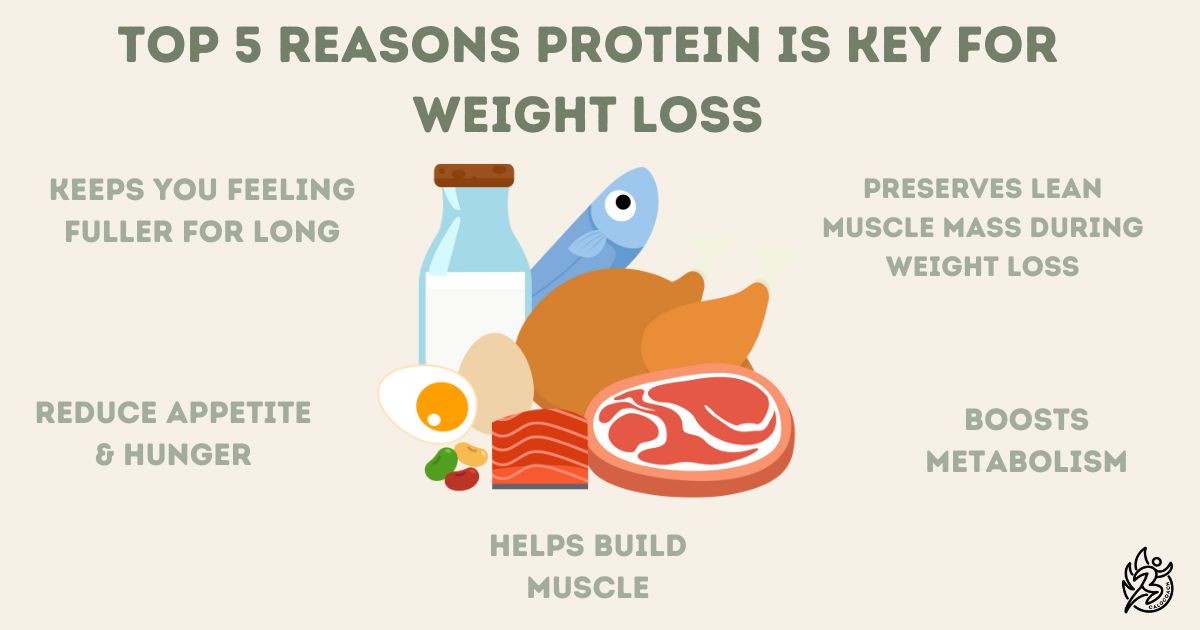
2. I Prioritised Protein
I know protein gets mentioned constantly in the weight loss world. It’s boring the amount of times it’s almkst rammed down our throats. But there is a reason for that. When I started making protein a priority, I felt fuller for longer and spent less time thinking about my next meal. It’s one of the biggest changes I wished I had made sooner in my journey.

3. I Got Busy
I don’t mean filling every second of your day. I mean, creating a life that felt bigger than food. I’ll be completely raw with you. My life revolved around food quite a bit. There is little wonder that I was overweight! I needed to change the script. I started:
Walking.
Reading.
Working on my blog.
Building CaloCoach.
Spending time with my family.
The less my life revolved around food, the less my thoughts revolved around food, too. When this shift happens, let me tell you it’s refreshing.
4. I Learned To Sit With Cravings
This one was uncomfortable, I won’t lie. Sometimes I wanted food. Not because I needed it. Not because I was hungry. Simply because I fancied it. I liked the feeling and dopamine hit. In the past, I would immediately act on that feeling. Now I pause. I take a moment, and I breathe. Now, honestly, sometimes I still choose to have the food, but sometimes I don’t. I’ve learned that cravings aren’t emergencies. You don’t have to respond to every thought that pops into your head, and that’s okay.
What About Food Noise?
You may have heard the term “food noise” recently. It’s become much more common thanks to medications like Ozempic and Mounjaro. Food noise describes those constant thoughts about food that seem to run in the background all day long. For some people, these medications quieten those thoughts significantly. And that’s wonderful if it’s helping them. But it’s important to know that medication isn’t the only route.
Understanding your hunger, managing emotional eating, improving your nutrition and changing your relationship with food can also make a huge difference. My relationship with food today is completely different to the one I had when I started my journey and I don’t need anything other than working on that relationship I have with food.
The Question I’d Like You To Ask Yourself
Instead of asking:
“How do I stop thinking about food?”
Try asking:
“Why am I thinking about food?”
Am I hungry?
Am I bored?
Am I stressed?
Am I restricting too much?
Am I using food to solve a problem that food can’t actually solve?
The answer is often hiding there.


Final Thoughts
If you’re thinking about food all the time, please know this:
You’re not broken.
You’re not weak.
And you’re definitely not alone.
For years, I genuinely believed I would spend the rest of my life battling food thoughts every single day.
Now food is still something I enjoy, but it no longer controls me.
And if I can go from obsessing over my next meal to losing 7 stone and maintaining it, I promise things can change for you too.
The goal isn’t to stop thinking about food completely.
The goal is to stop food being the centre of your entire world.
FAQ:
Why am I constantly thinking about food?
Constant thoughts about food can be caused by hunger, restrictive dieting, emotional eating, boredom, stress or food noise.
How do I stop obsessing over food when dieting?
Avoid overly restrictive diets, eat enough protein, include foods you enjoy and focus on building habits that don’t revolve around food.
Is thinking about food all the time normal?
Occasional thoughts about food are normal. If food dominates your thoughts throughout the day, it may be worth exploring the underlying cause.
What is food noise?
Food noise is the term used to describe persistent thoughts about food, eating and cravings that seem to run continuously in the background.
Can you reduce food noise without medication?
Many people find food noise improves through balanced nutrition, managing emotional eating, reducing restriction and developing a healthier relationship with food.
If you are on a weight loss journey and want further support and company, join my free Facebook Group here. Oh, and if you have found this website and articles useful and you’d like to know how you can say thank you, then I am always appreciative of receiving a virtual coffee here.
Thank you for stopping by! Check out my last post here.
Love as always!




Want to find out more about me? Head over to this page. If you like reading posts like this, then you might want to follow me over on Bloglovin. Don’t forget you can find me on Instagram, Facebook, Twitter & YouTube. As always, my words, views and opinions are honest and my own. Links marked with “*” are affiliate links. This does not cost you anything additional, but it may mean I earn a small percentage from any sales. For more information about any of these, please head over to this page.