
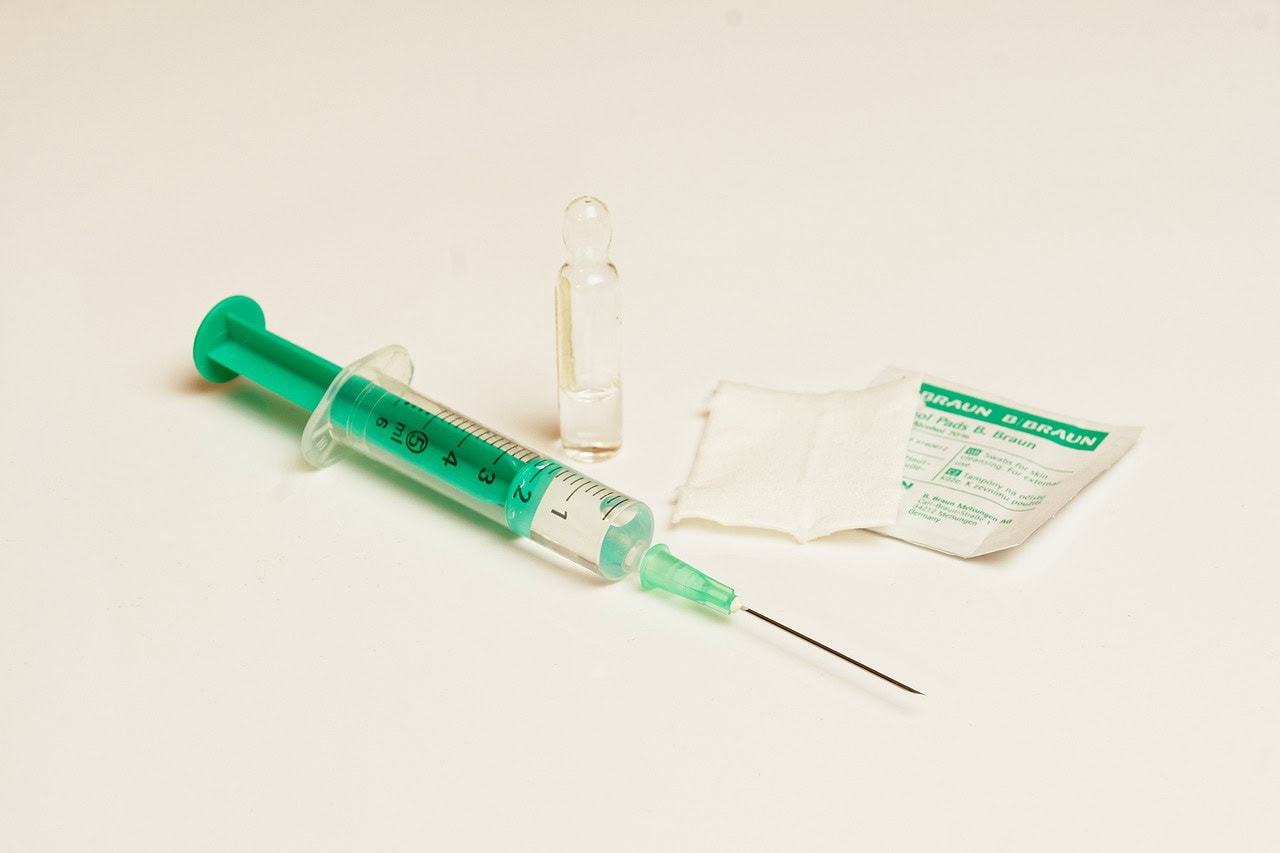
If you’ve spent any time at all lately scrolling through TikTok, Facebook groups or Reddit, you’ve probably come across people talking about something called Retatrutide or ‘Reta.’
Some people are calling it the “next Mounjaro.” Others are saying it’s even more effective, with claims of incredible weight loss results and predictions that it could become one of the biggest breakthroughs in obesity treatment we’ve ever seen. With so much excitement online, it’s easy to see why people are curious. But before you get swept up in the hype, there’s something really important you need to know. Retatrutide is not currently approved for routine use in humans. (June 2026)
At the time of writing this post, Retatrutide is still an investigational medicine undergoing clinical trials. That means it hasn’t yet been approved by regulators such as the UK’s Medicines and Healthcare products Regulatory Agency (MHRA) or the U.S. Food and Drug Administration (FDA) for general prescribing.
So, while early research has been incredibly promising, there’s still a lot we don’t know. Researchers are continuing to study both how well it works and, just as importantly, how safe it is over the long term. I’ve seen more and more people asking questions about Retatrutide recently, and unfortunately, there’s also a lot of misinformation being shared online. That’s exactly why I wanted to write this guide.
I’ve spent a lot of time researching Retatrutide, what it is, how it works, why it’s generating so much interest, what the latest research actually says and why it’s important to approach any claims we see online with a healthy dose of caution. I’m going to share what I have found in this article.
As always, before undertaking any kind of weight loss or lifestyle change, it is always best to speak to a medical professional or registered dietician who is best suited to give personalised advice on your individual health needs and health issues. This blog post has been researched to the best of my ability, and the information posted is accurate at the time of publication. Soph-obsessed is not affiliated in any way with any weight loss plan. Retatrutide and other peptides are currently in the early stages of research and not approved for use in humans. Please make sure that any research you read here is checked for accuracy.
Jump to:
• What is Retatrutide?
• How Does Retatrutide Work?
• Is Retatrutide Approved?
• Can You Buy Retatrutide?
• Clinical Trial Results
• Side Effects
• When Will Retatrutide Be Available?
• Frequently Asked Questions

What is Retatrutide?
Retatrutide is currently an investigational medication being developed by pharmaceutical company Eli Lilly, the same company behind Mounjaro (tirzepatide). In theory it’s designed to be a once-weekly injectable medication that is currently being studied as a possible treatment for obesity, overweight with weight-related health conditions and type 2 diabetes. Similar to Mounjaro and Ozempic, you inject this medication subcutaneously at home.
Unlike medications that are already available and approved, Retatrutide is still going through the early clinical trial process. Before any new medicine can be prescribed to the public, it has to go through years of research to make sure it’s both effective and safe. At the time of writing this post, Retatrutide is being evaluated in Phase 3 clinical trials, which are large studies involving thousands of participants. These trials help researchers understand not only how well the medication works, but also whether there are any side effects or long-term safety concerns that need to be considered before approval. Things like interactions with health conditions and other medications also need to be reviewed.
One of the reasons Retatrutide has attracted so much attention and hype is because it works differently to current weight loss medications that are already approved. Where medicines like Ozempic target one hormone and Mounjaro targets two, Retatrutide has been designed to target three different hormone receptors at the same time. This is why you’ll often hear it described as a triple agonist.
Researchers believe that by acting on three separate pathways involved in the appetite, blood sugar regulation and energy use, Retatrutide could potentially produce a greater weight loss than medicines currently available and approved. However, it’s important to remember that these findings are still being studied, and no medication should be considered proven until the full clinical trial process has been completed. Although this sounds promising and exciting, we don’t know at what cost these results could come.
For now, Retatrutide remains an investigational drug and is not licensed for routine prescribing, so you won’t find this available in pharmacies or over the counter. That distinction is incredibly important, especially when you see websites or social media posts claiming to sell or promote it. Any products that are for sale are considered the ‘grey market’, and there is no way to know if you are truly receiving what you have purchased, not to mention what the effects and problems could be.

How Does Retatrutide Work?
One of the biggest reasons Retatrutide has generated so much excitement is because of the way it works inside the body. You may have heard people refer to it as a “triple agonist.” Which sounds incredibly impressive and very scientific, but the idea itself is actually quite simple. Our bodies naturally produce hormones that help regulate things like hunger, fullness, blood sugar and how we use energy. Retatrutide has been designed to mimic the effects of three of these hormones at the same time.
Those hormones are GLP-1, GIP and glucagon.
GLP-1
If you’ve heard of medications such as Ozempic, Wegovy or Mounjaro, you’ll probably already be familiar with GLP-1. GLP-1 is a hormone that’s released naturally after you eat. It sends signals to your brain that you’re full, slows down how quickly food leaves your stomach and helps your body regulate blood sugar levels. Now, for many people, this leads to feeling fuller for longer and naturally eating less without feeling like they’re constantly battling hunger. It’s no wonder it’s one of the main reasons medications in this family have become so effective for weight management.
GIP
The second hormone Retatrutide targets is called GIP.
Like GLP-1, GIP plays a role in blood sugar regulation and insulin release after meals. Researchers believe that when GIP is combined with GLP-1, the two hormones may work together to improve blood sugar control and enhance weight loss. This is already the approach used by Mounjaro, which targets both GLP-1 and GIP.
Glucagon
This is where Retatrutide becomes different and is impressive in its own right. The third hormone receptor it targets is glucagon. At first glance, this might seem confusing because glucagon is often described as the hormone that raises blood sugar. So why would researchers want to activate it? The answer is that glucagon appears to do much more than simply affect the blood sugar.
Research suggests that stimulating the glucagon receptor may also increase the amount of energy the body uses. In simple terms, it may encourage the body to burn more calories throughout the day. Which when you think about it is quite impressive and explains the hype! Scientists believe this could work alongside the appetite-reducing effects of GLP-1 and GIP to produce greater overall weight loss.
As amazing as all of this sounds, I have to remind you that this is still an area of active research, which is why ongoing clinical trials are so important. These factors could all just be theories, or they could produce undesirable side effects etc. All of which we just don’t have the answers to right now.
Listen to my weight loss podcast: The Hungry Games Here

Why is this different from Mounjaro?
One of the questions I see asked all the time is whether Retatrutide is simply a stronger version of Mounjaro. The answer truthfully is not exactly.
Yes, both medications include GLP-1 and GIP activity, but Retatrutide adds glucagon receptor activation as well which makes it a different arm entirely. Researchers hope that this third pathway could improve weight loss by increasing energy expenditure as well as reducing appetite, but until all the Phase 3 trials are complete, it’s impossible to say exactly how Retatrutide will compare in everyday clinical practice.
It’s also worth remembering that bigger weight loss doesn’t automatically mean a medication is “better”. Doctors and regulators also need to know about long-term safety, side effects and who is most likely to benefit before any new medicine can be approved. For now, the research is certainly encouraging, but it’s still exactly that — research.
Why Is Everyone Talking About It?
If Retatrutide isn’t even approved yet, you might be wondering why it’s suddenly everywhere. The answer to that is simple: the early clinical trial results have been incredibly encouraging. We are currently living in a world obsessed with weight loss. The discovery of GLP-1 medications and the impact they have on people and food noise has been life-changing. The idea that there could be another level entirely is quite exciting.
When the first Phase 2 study was published in 2023, it quickly made headlines around the world. Researchers reported that participants receiving the highest doses of Retatrutide experienced significant average weight loss over the course of the study. Now, those results naturally caught people’s attention, particularly because obesity is one of the biggest public health challenges facing the world. As more people began hearing about the medication, discussions quickly spread across social media, YouTube, podcasts and online forums.
Since then, the excitement has only grown.
You’ll now find countless videos claiming that Retatrutide is “better than Mounjaro” or “the future of weight loss.” Some people are even referring to it as the next generation of GLP-1 medications.
While I completely understand the excitement and I, too, find it fascinating, I also think it’s important to separate facts from speculation. The results we’ve seen so far come from carefully controlled clinical trials involving selected participants who were monitored by medical professionals. That’s very different from a medication being prescribed to millions of people in everyday healthcare settings. It’s also worth remembering that early trial results are only one part of the approval process. Researchers still need to collect more data, monitor long-term safety and assess how the medication performs across a wide range of people before regulators can decide whether it should be approved.
In other words, promising doesn’t automatically mean proven and it certainly doesn’t mean safe.

Read about my weight loss story here
Social media doesn’t always tell the full story
One thing I’ve noticed recently is the number of people online claiming they’re already taking Retatrutide. If you’ve seen these posts yourself, it’s understandable to wonder whether the medication is secretly available somewhere. However, at the time of writing, Retatrutide has not been approved for routine prescribing.
That means any products being marketed online as Retatrutide are not approved medicines supplied through the normal healthcare system. It also means anyone who is taking them is doing so at a great risk.
Some websites sell substances labelled as “research peptides.” These products are often marketed for laboratory research purposes rather than human use, and they aren’t regulated in the same way as licensed medicines. Because of that, there can be serious questions around their quality, purity, strength and even whether they contain what the label claims. If you delve a little deeper into the internet, you will find hundreds of cases where people had these medications tested and they contained the wrong product, no product or dangerous levels of chemicals that shouldn’t be anywhere near the human body.
Personally, I think this is where people need to be particularly careful. I know that it is easy to get swept away by great results and exciting ideologies. When you’re trying to lose weight, it’s completely understandable to want the latest breakthrough treatment. But it’s also important to remember that medications go through years of testing for a reason. Clinical trials aren’t just there to find out whether something works – they’re there to make sure it’s safe.
If and when Retatrutide receives regulatory approval, people will be able to access a medication that has been thoroughly evaluated for quality, safety and effectiveness. Until then, I’d be very cautious about believing everything you read online or assuming that every product claiming to contain Retatrutide is what it says it is.
There’s a lot of excitement surrounding this medication, and rightly so. But for now, the science is still catching up with the hype.
Is Retatrutide Approved?
This is probably the most important question in this entire article, and the answer is straightforward. No. Retatrutide is not currently approved for routine use in humans.
At the time of writing, Retatrutide is still an investigational medicine. It is being studied in large Phase 3 clinical trials to determine how effective it is, who it may benefit most and whether it is safe for long-term use. Before any new medication can become available on prescription, it has to go through a rigorous approval process.
First, researchers carry out laboratory studies before moving on to human clinical trials. These trials are completed in several phases, each involving more participants than the last. The aim isn’t just to see whether a medication works, but to understand its side effects, identify any potential risks and compare it with existing treatments.
Only once all of that evidence has been reviewed can regulators decide whether the medication should be approved.
In the UK, that decision would be made by the Medicines and Healthcare products Regulatory Agency (MHRA). In the United States, medicines are reviewed by the Food and Drug Administration (FDA).
As things stand today, neither regulator has approved Retatrutide for routine prescribing.
What does “investigational” actually mean?
The word investigational can sound a bit intimidating, but it simply means the medication is still being researched. Scientists already have encouraging evidence that Retatrutide may help people lose weight, but there are still important questions that need answering.
For example:
- How safe is it over many years of use?
- Are there any rare side effects that only become apparent in larger groups of people?
- Which patients are most likely to benefit?
- How does it compare with medications that are already available?
These are exactly the kinds of questions that Phase 3 clinical trials are designed to answer.
So why are people saying they’re taking it?
This is where things can become confusing. If you’ve spent time on social media recently, you’ve probably seen people claiming they’re using Retatrutide already. In reality, there are only a few possible explanations. Some people may be taking part in legitimate clinical trials under close medical supervision. Others may be referring to products sold online as research peptides, which are marketed for laboratory research rather than human use.
These products are not licensed medicines, and they are not approved alternatives to prescription medications. Because they’re not regulated in the same way, there is no guarantee about their quality, purity, dosage or even whether they contain genuine Retatrutide.
That’s why it’s so important to approach these claims with caution.
It can be incredibly tempting to believe that a new “miracle” medication is already available if enough people online say they’re using it. But social media doesn’t always tell the full story, and when it comes to your health, it’s always worth relying on evidence rather than hype.
Personally, I think this is one of those situations where patience really is the best approach. If the ongoing clinical trials continue to show positive results and regulators are satisfied with the evidence, there may well come a time when Retatrutide becomes an approved treatment.
Until then, it’s important to remember that it is still exactly what researchers describe it as: an investigational medication that has not yet been approved for routine use.
Can You Buy Retatrutide?
This is another question I see being asked all the time, especially in weight loss groups and on social media. The short and correct answer is no, not as an approved prescription medication.
Because Retatrutide has not yet been approved by the MHRA in the UK or the FDA in the United States, you cannot currently obtain it through the normal prescribing route.
So if that’s the case, why are there so many websites claiming to sell it?
Why is Retatrutide being sold online?
If you’ve searched for Retatrutide on Google, chances are you’ve come across websites advertising “Retatrutide peptides”, “research peptides” or even ready-to-inject products.
This can make it look as though the medication is already available, but that’s not the case.
Most of these products are being sold as research chemicals or research peptides, often with small-print disclaimers stating that they are “not for human consumption”. This is because the genuine medication has not yet received regulatory approval for routine prescribing. Now, let me ask you honestly, would you really want to put something in your body labelled “not for human use?”

Are these products safe?
The answer is – there is no real way of knowing. This is where I’d urge people to be extremely cautious. Unlike medicines that are prescribed through your GP or a regulated weight loss clinic, products sold online as Retatrutide are not licensed medicines.
That means there is no guarantee that they:
- contain genuine Retatrutide
- contain the correct dose
- are free from contamination
- have been manufactured to the same standards as approved medicines
- have been stored or transported correctly
In other words, you simply don’t know what you’re injecting. It could also be that the place you purchase from is nothing more than a scam!
Health experts have repeatedly warned that products sold online under the name Retatrutide may be counterfeit, contaminated or incorrectly labelled. In June 2026, health authorities in Australia issued an urgent warning after several people developed serious liver injuries linked to products being sold as Retatrutide online. Investigators stressed that these products were unapproved and not genuine licensed medicines.
There is also no way of knowing how you, as an individual, will respond, especially if you have underlying health conditions or take other medications. These tests haven’t been performed yet, so you don’t know the reality of the situation.
What about people on TikTok who say they’re taking it?
This is where social media can become really misleading.
Just because someone says they’re taking Retatrutide doesn’t necessarily mean they’re using the genuine medication that’s currently being studied by Eli Lilly. Some of these people may be enrolled in legitimate clinical trials, where the medication is carefully monitored by healthcare professionals.
Others may have purchased products marketed as research peptides online.
The problem is that there’s no easy way of knowing which is which, and social media rarely tells the whole story.
It’s easy to watch a 30-second video and think, “If they’re doing it, maybe I should too.” But what you don’t see is where the product came from, whether it’s genuine or whether that person has experienced any side effects.

My Thoughts
I completely understand why people are searching for Retatrutide. If you’ve struggled with your weight for years, it’s natural to feel excited whenever a new treatment shows promise. But personally, I think this is one of those situations where waiting is the safest option.
The clinical trial process exists for a reason. It helps make sure that medicines are effective, manufactured to high standards and, most importantly, safe for the people who’ll eventually use them. Until Retatrutide completes that process and receives regulatory approval, I’d be very wary of any website or social media account claiming to sell it for personal use. When it comes to your health, it’s always better to wait for good evidence than gamble on an unregulated product.
Now if Retatrutide is approved and deemed safe and it does perform in the promisng way it has been labelled I think this could be quite an exciting time for anyone struggling with obesity.
Clinical Trial Results
It’s one thing to hear people on social media rave about a medication, but what does the actual science say?
The good news is that Retatrutide has already been studied in several clinical trials so far, and the results so far have been very encouraging.
That said, it’s important to remember that clinical trials are carefully controlled research studies. They don’t always reflect what will happen once a medication is used by millions of people in everyday clinical practice, which is why larger Phase 3 trials are so important.
The Phase 2 trial
One of the biggest studies to date was published in the New England Journal of Medicine in 2023. Researchers followed adults living with obesity or overweight over a period of 48 weeks. Participants were randomly assigned to receive different doses of Retatrutide or a placebo (an injection with no active medication), alongside advice on healthy eating and physical activity.
The results generated a huge amount of excitement within the medical community. Depending on the dose they received, participants taking Retatrutide lost an average of between around 8.7% and 24.2% of their body weight after 48 weeks, compared with 2.1% in the placebo group.
Researchers also found improvements in several other health markers, including:
- Waist circumference
- Blood pressure
- Blood sugar levels
- Cholesterol and triglyceride levels
These findings suggested that Retatrutide may offer benefits beyond weight loss alone, although more research is still needed to understand its long-term effects.
What have the Phase 3 trials shown?
Since those early results were published, Eli Lilly has moved Retatrutide into larger Phase 3 clinical trials involving thousands of participants.
In May 2026, the company announced that participants in one of its major obesity trials achieved an average weight loss of 28.7% after 68 weeks when taking the highest dose alongside lifestyle support. Nearly half of the participants receiving the highest dose lost 30% or more of their starting body weight. Quite impressive!
Those figures are incredibly exciting and explain why so many people are talking about Retatrutide across the globe. However, it’s worth pointing out that these are average results from clinical trials. Some people lost more weight, some lost less, and not everyone responded in the same way.
Why these results need to be viewed in context
Whenever a new medication makes headlines, it’s tempting to focus on the biggest numbers.
But weight loss isn’t the only thing researchers look at.
They’re also monitoring:
- How well people tolerate the medication
- Side effects over months and years
- Whether the benefits continue long-term
- Which groups of people benefit the most
- Whether there are any rare safety concerns that only become apparent in larger studies
That’s exactly why Phase 3 trials are so important.
While the results so far have been extremely promising, regulators will look at all of the evidence before deciding whether Retatrutide should become an approved treatment.
Personally, I think it’s exciting to see this level of progress in obesity research. It’s facinating to me to see medications like this even in early stages of clinical trials and the results sound promising so far. Effective treatments have the potential to change lives, but they also need to be shown to be safe. That’s why I’d always rather see a medication go through a thorough approval process than be rushed onto the market before all the evidence is available. As frustrating as that can be at the time.

What Are The Side Effects
As with any medication, Retatrutide has the potential to cause side effects although we don’t know the full extent of these yet nor will we until they have undergone the full level of clinical trials. Because it’s still being studied in clinical trials, researchers are continuing to build a clearer picture of both its short-term and long-term safety. So far, the side effects reported have been largely similar to those seen with other medications in the GLP-1 family, such as Mounjaro and Wegovy. This makes sense as these are all from the same ‘family.’
The good news is that most side effects reported during clinical trials were mild to moderate in severity and tended to occur while participants were gradually increasing their dose. Many improved as the body adjusted to the medication. The fact the trials are continuing is a good sign – many medications don’t make it out of trial one!
The most common side effects
The side effects reported most frequently in clinical trials include:
- Nausea
- Vomiting
- Diarrhoea
- Constipation
- Stomach pain or discomfort
- Indigestion
- Reduced appetite
These gastrointestinal side effects became more common at higher doses and were most noticeable during the dose-escalation phase, when participants were gradually increasing the amount of medication they were taking. If that sounds familiar, it’s because it’s very similar to what has been seen with other GLP-1-based medications already on the market.

Are there any serious side effects?
At the moment, there are no major unexpected safety concerns that have stopped the clinical development of Retatrutide. However, it’s important to remember that the medication is still being studied. One of the main reasons Phase 3 clinical trials involve thousands of people is so that researchers can identify any uncommon or long-term side effects that may not have been obvious in earlier studies.
Researchers are continuing to monitor for conditions that are already associated with this class of medication, including:
- Pancreatitis (inflammation of the pancreas)
- Gallbladder problems
- Changes in heart rate
- Allergic reactions
- Other rare but potentially serious side effects
That doesn’t mean Retatrutide causes these conditions in everyone, or even that it definitely increases the risk. It simply means they’re being carefully monitored while the clinical trials continue. Some things take time to appear or for the impact to become known, which is why this process is as lengthy as it is.
Does Retatrutide have any unique side effects?
One side effect that has attracted attention in some of the research is something called dysaesthesia. Dysaesthesia is essentially an altered skin sensation. People might describe it as tingling, burning, prickling or unusual sensitivity on the skin.
It appeared more often in participants receiving the highest doses of Retatrutide than has been seen with currently approved GLP-1 medications. The encouraging news is that, in the studies so far, it was generally mild and rarely caused people to stop treatment. Researchers are continuing to investigate why this happens and whether it remains a feature as more data becomes available.

It’s important to remember…
One thing I think that is worth saying is that every medication has potential side effects. From a cancer treatment to paracetamol. That doesn’t make something scary or neccesserily bad.
When you read stories online, it’s easy to come away thinking that everyone either has an awful experience or no side effects at all. The reality is usually somewhere in the middle. Some people experience very few side effects, while others find the first few weeks more challenging. That’s true of many medications, not just Retatrutide.
How Does Retatrutide Compare To Mounjaro?
Many people compare Retatrutide with Mounjaro because both medications were developed by Eli Lilly. The biggest difference is that Mounjaro targets two hormone receptors (GLP-1 and GIP), while Retatrutide targets three by also activating the glucagon receptor. However, because Retatrutide is still in clinical trials, it’s too early to say whether it will ultimately prove to be more effective or safer than Mounjaro in everyday clinical practice. I have written a full article on the comparisons for anyone interested.
The Million Dollar Question: When Will Retatrutide Be Available?
After reading about the impressive clinical trial results, it’s only natural to wonder when Retatrutide might actually become available.
Related Post: When Will Retatrutide Be Available? Latest UK Approval Timeline (2026)
The honest answer is that nobody knows for certain yet.
Although the research so far has been incredibly promising, Retatrutide is still completing the final stages of clinical development. Before it can be prescribed routinely, the data from these studies has to be reviewed by medicines regulators to make sure the benefits outweigh any potential risks. The conclusion could be that it isn’t safe to bring to mass market – we won’t know until the trials conclude.
Only then can a decision be made about whether it should be approved.
Where is Retatrutide in the approval process?
At the time of writing, Retatrutide is in Phase 3 clinical trials.
This is typically the final stage of testing before a pharmaceutical company submits an application for approval. These trials involve thousands of participants and are designed to answer important questions about the medication’s effectiveness, safety and long-term use.
If the results continue to be positive, Eli Lilly can submit the data to regulators such as the MHRA in the UK and the FDA in the United States for review.
It’s important to remember that even if a clinical trial is successful, approval isn’t automatic. Regulators look carefully at all of the available evidence before deciding whether a medication should be made available to the public.

Could Retatrutide become available in the UK?
It’s certainly possible, but there’s no confirmed timeline. Read the above as to why.
If Retatrutide is approved by regulators, it would still need to go through additional processes before becoming widely available on the NHS. Organisations such as the National Institute for Health and Care Excellence (NICE) assess whether new medicines offer good value for money and should be recommended for NHS use.
That means there can sometimes be a gap between a medication receiving regulatory approval and it becoming routinely available through NHS services.
Private clinics may also begin offering newly approved medications before they’re widely available on the NHS, but again, this would only happen after the medicine has been officially licensed.
Should you wait for Retatrutide?
This is something I’ve seen asked a lot, especially by people who are already considering medications like Mounjaro or Wegovy. The answer really depends on your individual circumstances and is something to discuss with a healthcare professional.
If you’re already eligible for an approved treatment that’s available today, waiting months or even years for a medication that’s still being studied may not be the right decision. What if it never comes to market? What if it’s not available to you, out of your price range or the availability is slim?
On the other hand, if you’re simply interested in what’s coming next in obesity treatment, Retatrutide is certainly a medication worth keeping an eye on. The science behind it is exciting, and the results we’ve seen so far suggest it has real potential.
But for now, that’s exactly what it is: potential.
Until the clinical trials are complete and regulators have reviewed all of the evidence, nobody can say exactly when Retatrutide will become available or whether it will ultimately be approved.
As frustrating as that uncertainty might be, it’s also reassuring. The approval process exists to make sure that new medicines are not only effective but safe for the people who’ll eventually use them.
Personally, I’d much rather wait for a medication that’s been thoroughly tested than rush into using something before all the evidence is available.

My Thoughts on Retatrutide
If there’s one thing I’d like you to take away from this article, it’s this:
Retatrutide is exciting, but it’s not available yet.
I completely understand why so many people are talking about it. Heck, I can’t stop talking about it! Obesity research has moved at an incredible pace over the last few years, and medications like Mounjaro and Wegovy have already changed the lives of countless people. Naturally, when something new comes along that appears even more promising, it’s going to generate a lot of excitement.
But I also think it’s important to keep that excitement grounded in facts. At the moment, Retatrutide is still an investigational medication. While the clinical trial results we’ve seen so far have been incredibly encouraging, researchers are still collecting data and regulators are still reviewing the evidence.
That means we don’t yet know everything there is to know about its long-term safety, effectiveness or who it may be most suitable for. One thing that does concern me is the amount of misinformation I’ve seen online and the number of people willing to purchase from the ‘grey market.’
Social media can be a fantastic place to learn and connect with others, but it can also make it very difficult to separate evidence from opinion. I’ve seen people claiming Retatrutide is already available, calling it a miracle drug or suggesting it’s the answer for everyone. The reality is far more complicated than that.
If you come across websites selling products labelled as Retatrutide, it’s worth remembering that these are not approved prescription medicines. Until the medication has completed the approval process, I’d personally be very cautious about anything claiming to offer the latest breakthrough before regulators have finished their work.
As someone who’s been on my own weight loss journey, I know how tempting it is to look for the next big thing. When you’ve spent years struggling with your weight, it’s understandable to feel hopeful whenever a new treatment makes the headlines. Desperation and desire to get to our goals as fast as we can often make us do things against our better judgment. This isn’t one of those scenarios where it’s worth that happening.
I’ve also learned that lasting success rarely comes from chasing every new trend. Look at the wave of people struggling with their weight maintenance after stopping Mounjaro!
Whether someone chooses medication, lifestyle changes or a combination of both, the goal is the same: finding an approach that’s safe, sustainable and works for them. Retatrutide may well become another important tool in the future. The early signs are certainly encouraging. For now, though, it’s a medication to watch rather than one to use.
I’ll continue to follow the research closely, and as soon as there’s any official news about approval, availability or new clinical trial results, I’ll update this article so you have the most accurate information possible.

Frequently Asked Questions
What is Retatrutide used for?
Retatrutide is currently being investigated as a treatment for obesity, overweight with weight-related health conditions and type 2 diabetes. At the time of writing, it is still being studied in Phase 3 clinical trials and has not been approved for routine prescribing.
Is Retatrutide approved in the UK?
No.
Retatrutide has not been approved by the Medicines and Healthcare products Regulatory Agency (MHRA) and cannot currently be prescribed in the UK outside authorised clinical trials.
Can you buy Retatrutide?
Not as a licensed medicine.
If you see products advertised online as Retatrutide, they’re not approved prescription medicines. Many are marketed as research peptides rather than medicines for human use, meaning there are concerns about their quality, purity and safety. There are also alot of scams online.
Is Retatrutide better than Mounjaro?
At the moment, it’s impossible to say.
Although Retatrutide has produced impressive weight loss results in clinical trials, it hasn’t yet been approved for routine use, and there haven’t been large head-to-head studies proving that it’s superior to Mounjaro in everyday clinical practice. Ongoing research, including direct comparison trials, should provide more answers in the future.
How much weight can you lose on Retatrutide?
Weight loss varies from person to person.
In clinical trials, participants taking the highest dose of Retatrutide alongside lifestyle support lost an average of around 28% of their starting body weight over the study period. These were carefully controlled clinical trials, so individual results may differ and the medication has not yet been approved for routine use.
What are the most common side effects of Retatrutide?
The most commonly reported side effects in clinical trials include:
- Nausea
- Vomiting
- Diarrhoea
- Constipation
- Stomach discomfort
- Reduced appetite
These side effects were generally mild to moderate and were most common while participants were increasing their dose. New side effects may be highlighted in the future.
When will Retatrutide be available?
There isn’t an official approval date.
Retatrutide is still progressing through Phase 3 clinical trials. If those trials continue to produce positive results and regulators approve the medication, it could become available in the coming years, but no confirmed launch date has been announced. It may never come to market or it may have a restrictive licence it is impossible to say until the clinical trials have concluded.
Is Retatrutide the same as Ozempic?
No.
Ozempic contains semaglutide and targets the GLP-1 receptor.
Retatrutide is a different investigational medication that targets three hormone receptors: GLP-1, GIP and glucagon. Although both medications affect appetite and blood sugar regulation, they work in different ways.
Who makes Retatrutide?
Retatrutide is being developed by Eli Lilly and Company, the same pharmaceutical company that developed Mounjaro (tirzepatide).
Is Retatrutide safe?
Researchers are still answering this question.
The results so far have been encouraging, and the safety profile seen in clinical trials has been similar to other medications in this class. However, because Retatrutide is still an investigational medicine, researchers continue to monitor its long-term safety before any decision is made about approval.
If you are on a weight loss journey and want further support and company, join my free Facebook Group here. Oh, and if you have found this website and articles useful and you’d like to know how you can say thank you, then I am always appreciative of receiving a virtual coffee here.
Thank you for stopping by! Check out my last post here.
Love as always!

 More From Me
Want to find out more about me? Head over to this page. If you like reading posts like this, then you might want to follow me over on Bloglovin. Don’t forget you can find me on Instagram, Facebook, Twitter & YouTube. As always, my words, views and opinions are honest and my own. Links marked with “*” are affiliate links. This does not cost you anything additional, but it may mean I earn a small percentage from any sales. For more information about any of these, please head over to this page.